The landscape of food production is undergoing a marked transformation, driven in large part by technological innovation, urbanisation, climate pressures, and shifting consumer expectations. As a response to these global forces, Controlled Environment Agriculture (CEA) and vertical farming have emerged as viable and increasingly important alternatives to conventional open-field agriculture. Understanding CEA and vertical farming global market trends and adoption patterns is critical for anyone seeking to grasp where the sector stands today and where it may be heading.
From Niche Innovation to Strategic Necessity
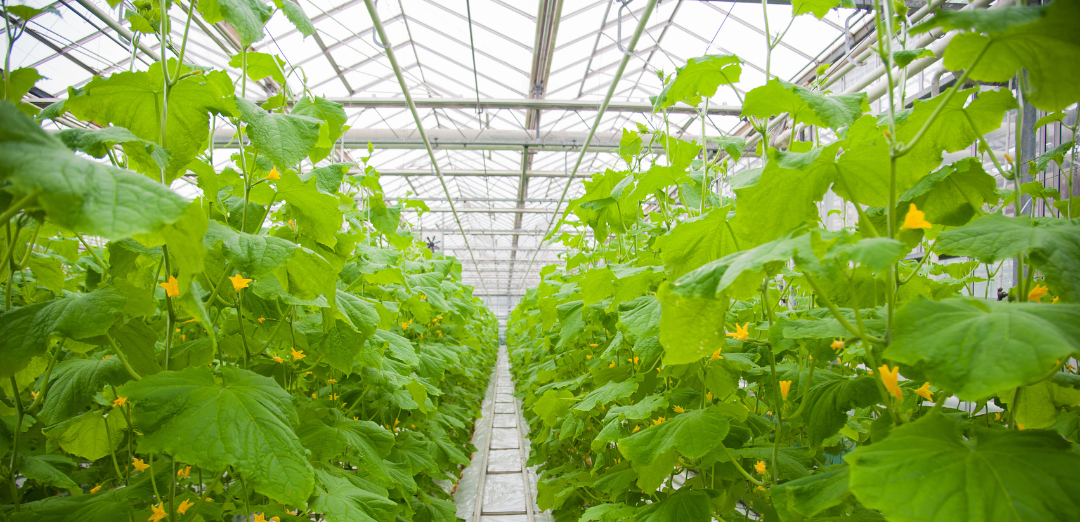
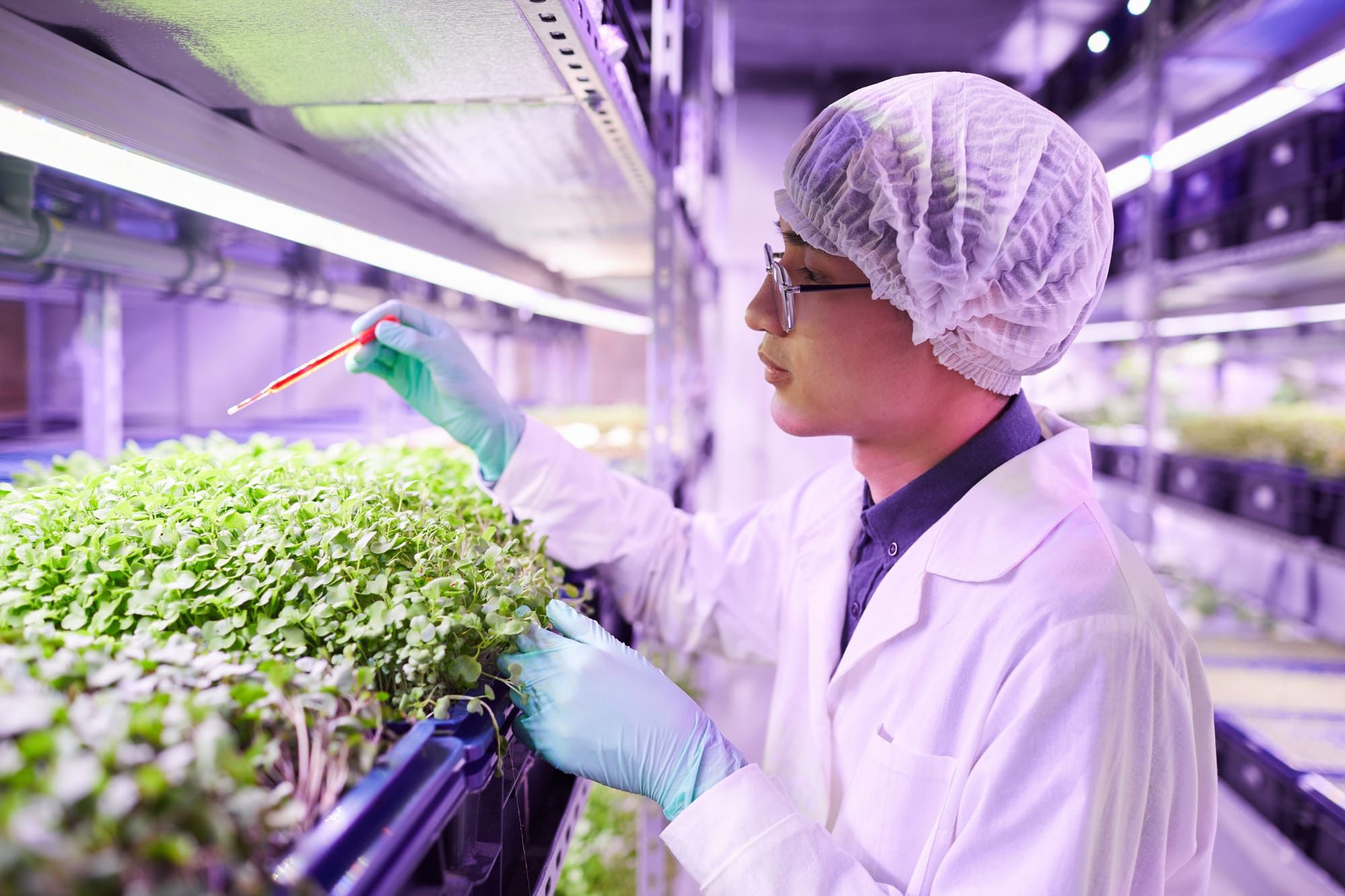
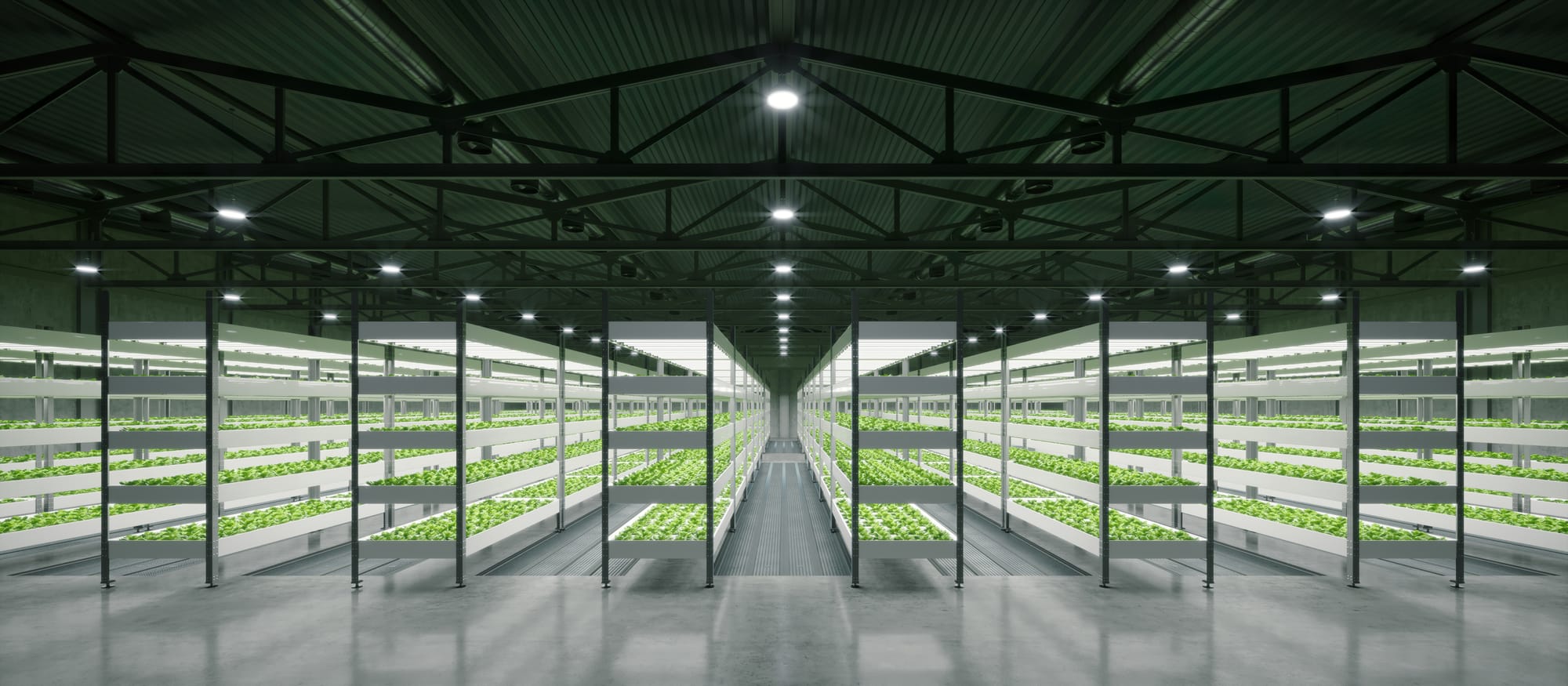
What was once considered a futuristic novelty is now becoming a legitimate part of mainstream agricultural strategy. CEA, defined by its precise control over environmental conditions such as light, temperature, humidity, and nutrients, is enabling year-round production with high resource efficiency. Vertical farming, as a sub-category of CEA, intensifies this potential by stacking plant production systems in vertical layers, often within urban or peri-urban settings. These systems are being embraced not only by start-ups but also by multinational agribusinesses, retailers, and governments.
This shift is not occurring in isolation. It mirrors a global search for resilient food systems that are less vulnerable to climatic disruption, supply chain volatility, and land degradation. Increasingly, CEA is positioned as a countermeasure to declining arable land and the unpredictability of weather-dependent agriculture. In regions prone to drought, heatwaves, or political instability, the appeal of secure, localised food production through CEA is compelling.
Regional Adoption and Market Segmentation
The global uptake of CEA and vertical farming reveals significant variation by region, shaped by differing policy environments, energy costs, technological infrastructure, and food security priorities. In Asia, particularly Japan, Singapore, and South Korea, vertical farms have become integrated into urban development plans, supported by public-private partnerships and innovation grants. Japan’s early adoption was catalysed by the Fukushima disaster in 2011, which spurred investment in clean, controlled environment agriculture close to consumption centres.
In North America, particularly the United States and Canada, commercial vertical farms are expanding in scale and sophistication. Companies such as AeroFarms, Plenty, and Bowery Farming have attracted considerable venture capital and formed supply agreements with national retailers. These developments are often located near major metropolitan centres, reducing the need for long-haul transport and appealing to consumers seeking fresher produce with lower environmental footprints.
Europe’s approach has been more cautious but steadily progressive. Countries such as the Netherlands and Germany have taken leading roles in technology development, especially in high-precision greenhouse systems and LED lighting. Government incentives for energy efficiency and sustainable development have supported this trend. The United Kingdom, particularly since Brexit, has shown growing interest in food security measures that include indoor farming systems.
In the Middle East, high temperatures, water scarcity, and limited arable land have driven strong interest in CEA. The United Arab Emirates and Saudi Arabia are investing heavily in food technology as part of broader strategic visions to diversify their economies and enhance food sovereignty. In Africa and Latin America, adoption has been more limited but is increasing in urban centres where food imports are expensive or unreliable. Pilot projects in Kenya, Nigeria, and Brazil are demonstrating how CEA can be tailored to local market needs and resource constraints.
Market Growth, Investment Patterns, and Technological Development
The global CEA market, valued at between 50 – 90 billion USD in 2023 (including greenhouse cultivation, hydroponics, and vertical farming)1,2, is projected to grow significantly in the coming years. While vertical farming accounts for a smaller share of this total, its growth trajectory is steep. Analysts forecast that the vertical farming segment alone could exceed USD 30 billion globally by 20303, depending on how energy costs, policy support, and consumer demand evolve.
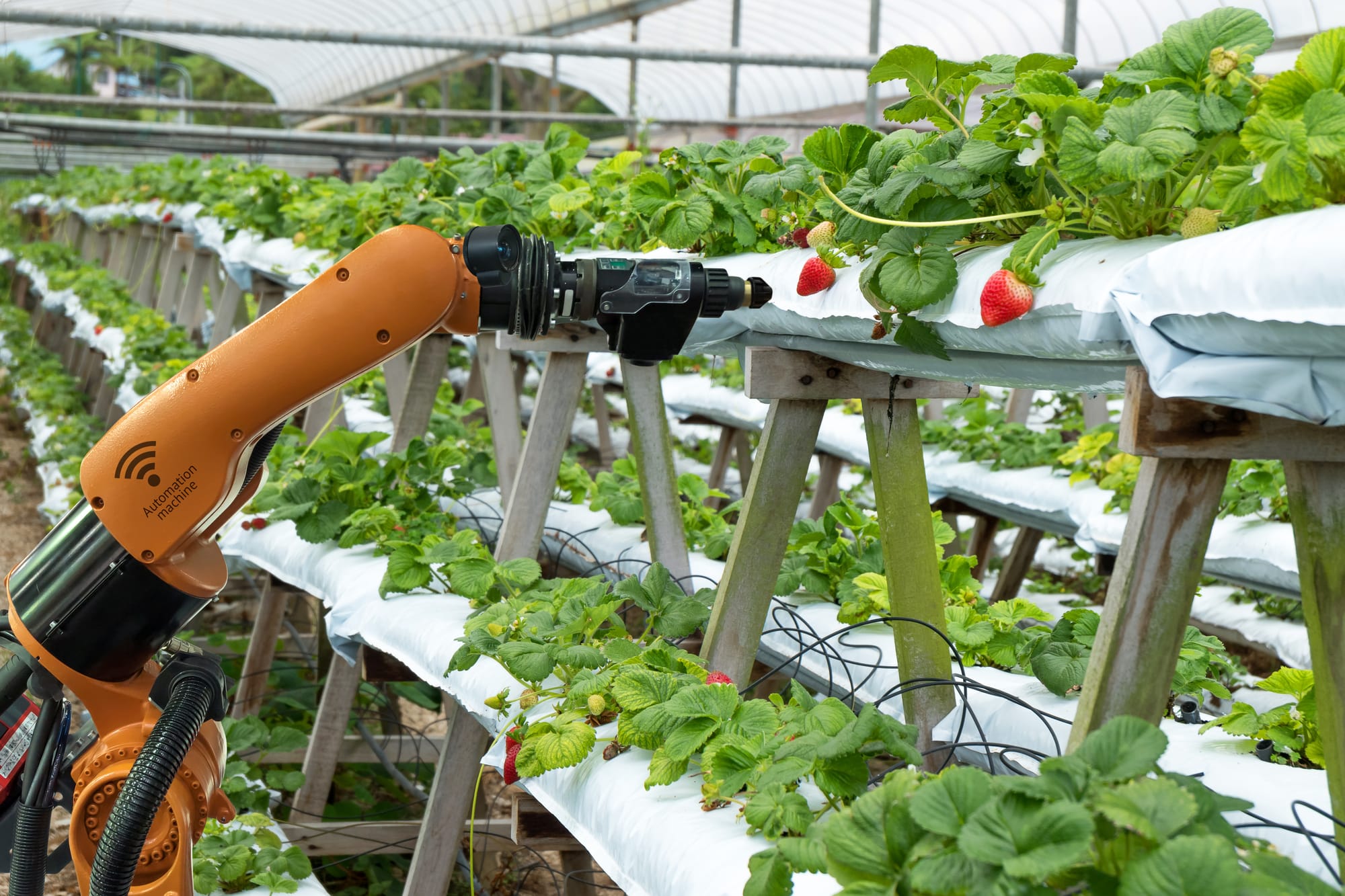
Investment in the sector remains strong, with early-stage funding being joined by institutional investment, infrastructure funds, and sovereign wealth entities. However, this growth has not been without volatility. A number of high-profile vertical farming enterprises have struggled with profitability due to high operational costs, especially those related to energy and labour. These challenges are fuelling a push towards automation, artificial intelligence, and improved energy integration, such as coupling farms with renewable energy sources or waste heat recovery systems.
Technological development continues to shape market patterns. Advances in sensor technology, lighting efficiency (especially in LEDs), robotics, and crop modelling software are steadily improving yield, quality, and predictability. These tools are allowing growers to fine-tune crop recipes and respond more rapidly to market signals. In parallel, there is a diversification of crops being trialled and commercialised, moving beyond leafy greens to include strawberries, herbs, tomatoes, and even cereal grains.
Policy Influence and Public Perception
Public policy is increasingly playing a formative role in the expansion of CEA. In some countries, regulatory frameworks are being adapted to support vertical farming through tax incentives, research funding, or urban planning integration. However, in many regions, the regulatory environment remains fragmented, with unclear guidelines on zoning, food safety, and energy classification. Greater harmonisation of standards and better data on environmental performance would support more widespread adoption.
At the consumer level, awareness and acceptance of vertically farmed produce are growing. While price remains a barrier for many consumers, especially in low-income contexts, there is a rising willingness to pay a premium for food that is local, pesticide-free, and grown sustainably. The role of certification schemes and labelling standards will likely become more prominent in defining consumer trust.
Outlook: Towards Integration and Adaptability
CEA and vertical farming are unlikely to replace traditional agriculture wholesale; rather, they are becoming integral components of a more diverse, resilient agricultural system. Their greatest potential may lie not in isolated applications, but in hybrid models that combine open-field production, greenhouses, and vertical facilities, with each optimised for different crops and climates.
Looking ahead, integration with smart city planning, decentralised energy systems, and local food networks could enhance the strategic value of CEA. Partnerships with educational institutions and technology developers will be vital to building the next generation of systems that are not only efficient but also economically viable and socially inclusive.
What remains uncertain is how energy prices, climate policy, urban expansion, and geopolitical tensions will shape the path forward. Will the sector succeed in achieving scale and profitability without compromising environmental goals? Can CEA be made more accessible to small-scale producers and regions with fewer resources?
These questions underscore the importance of continued research, transparent reporting, and policy coordination. The story of CEA and vertical farming global market trends and adoption patterns is still unfolding—but it is already clear that this form of agriculture will play a significant role in the future of global food systems.
- Statista (2023), Controlled Environment Agriculture (CEA) – Market Size Worldwide 2019 -2023.
- Global Market insights (2023). Controlled Environment Agriculture (CEA) Market - By Component (Hardware, Software, Services), By Technology (Hydroponics, Aeroponics, Aquaponics), By Crop (Vegetables, Fruits, Flowers and Ornamentals), By End-use (Commercial, Residential), Forecast 2024 – 2032.
- Markets and Markets, (2022) Vertical Farming Market – Global Forecast to 2030.