Controlled Environment Agriculture (CEA) is gaining significant attention as a strategic response to the vulnerabilities of traditional food production systems. From urban vertical farms to high-tech greenhouses, CEA promises a new paradigm for growing crops. To fully appreciate its potential, it is essential to understand both the benefits and limitations of this approach, including the opportunities it presents for innovation and food security, and the technical, environmental and economic constraints that still shape its adoption and development.
What is Controlled Environment Agriculture?
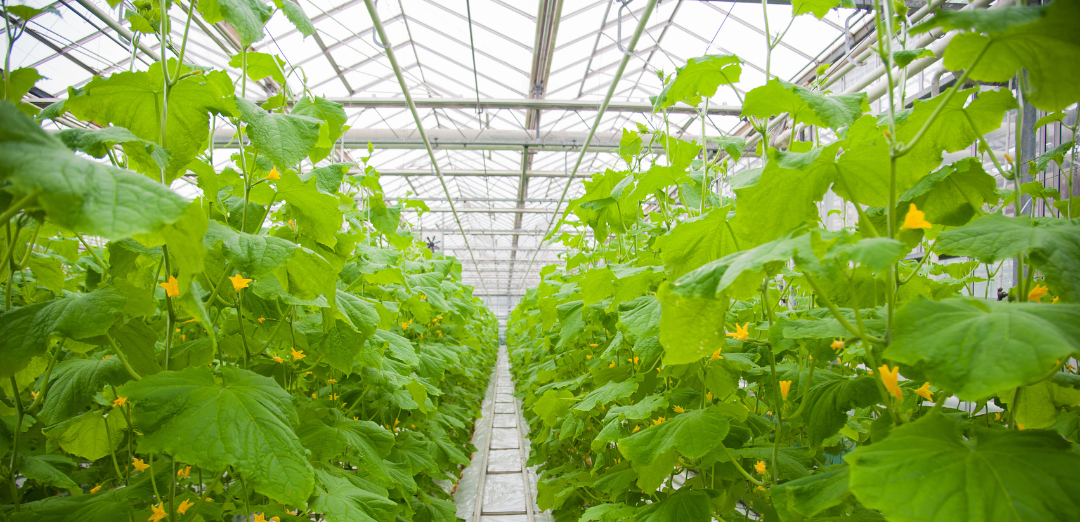
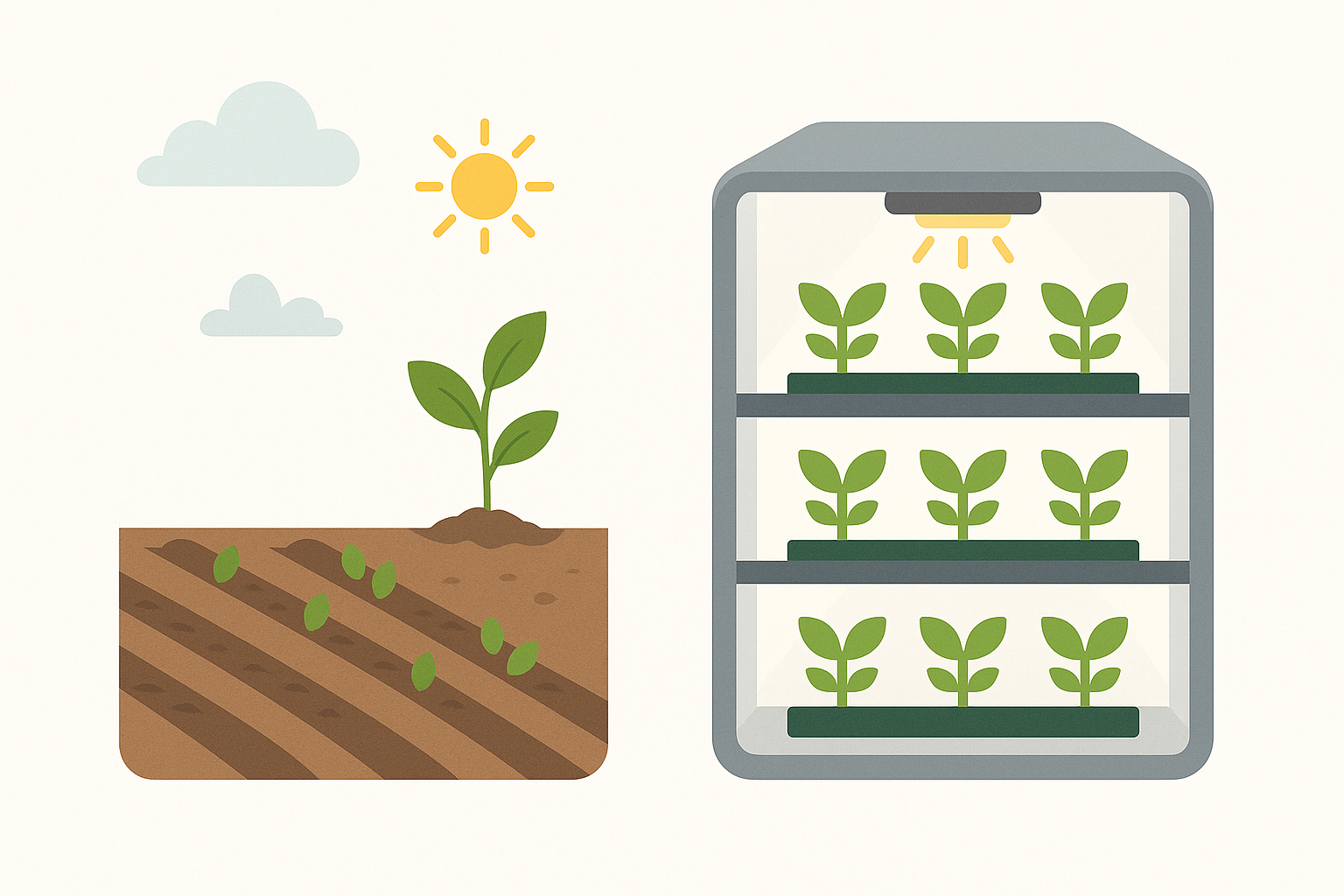
CEA refers to the practice of growing plants within an enclosed system where environmental variables including light, temperature, humidity, CO₂ concentration, and nutrient delivery are monitored and controlled to optimise plant health and productivity. Systems range from relatively simple polytunnels to fully automated vertical farms employing artificial lighting, hydroponics or aeroponics, and advanced sensor technologies.
The appeal of CEA lies in its ability to overcome some of the primary limitations of traditional open-field agriculture: seasonality, land availability, water scarcity, and pest pressure. By decoupling food production from external environmental constraints, it offers the promise of higher yields per unit area, reduced chemical inputs, and more predictable outputs. However, these benefits do not come without significant challenges, particularly in relation to energy consumption, cost, technical complexity, and long-term sustainability.
Agricultural Efficiency and Resource Use
One of the most often cited advantages of CEA is its efficiency in resource use. Because CEA systems are closed or semi-closed, they can significantly reduce water requirements compared to conventional farming. Hydroponic systems, for example, use up to 90% less water than soil-based cultivation. Nutrient delivery is precisely calibrated and recirculated, reducing waste and preventing leaching into surrounding ecosystems.
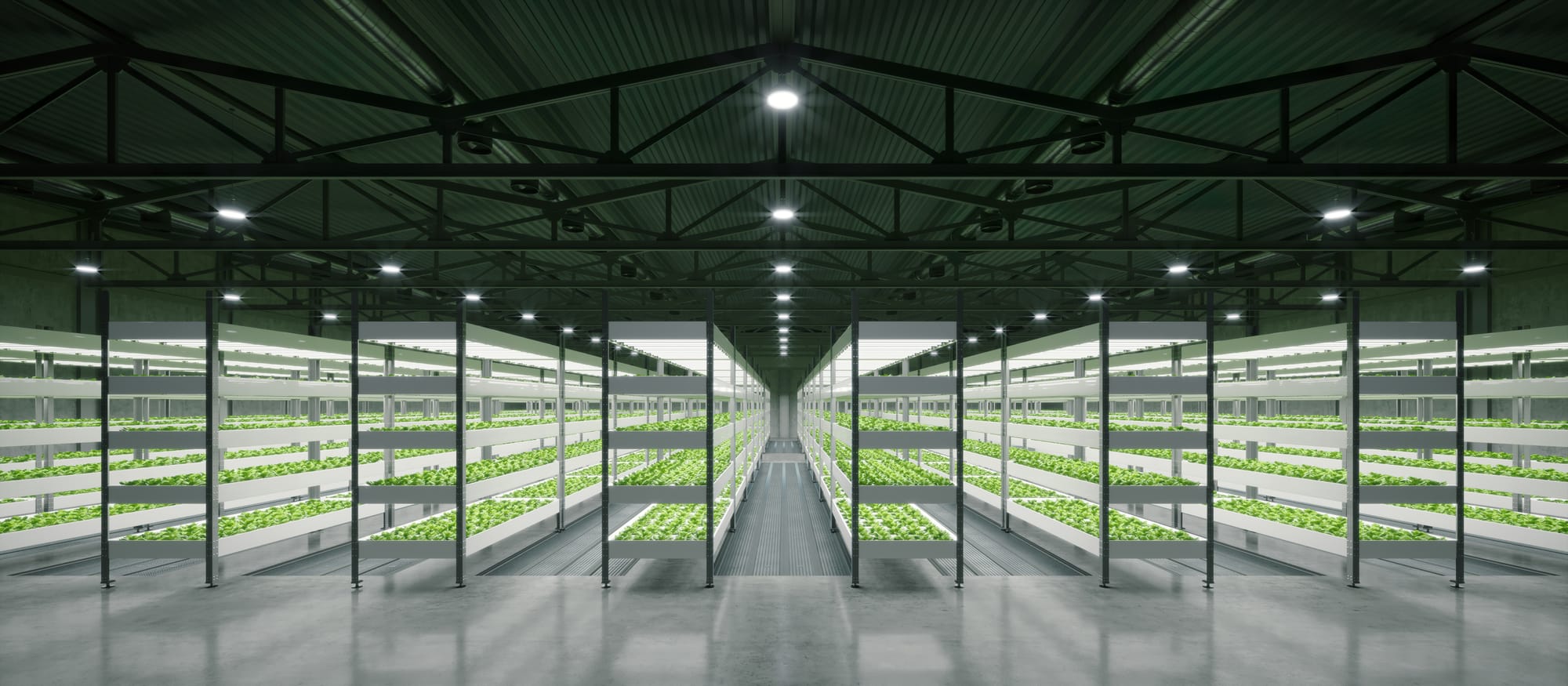
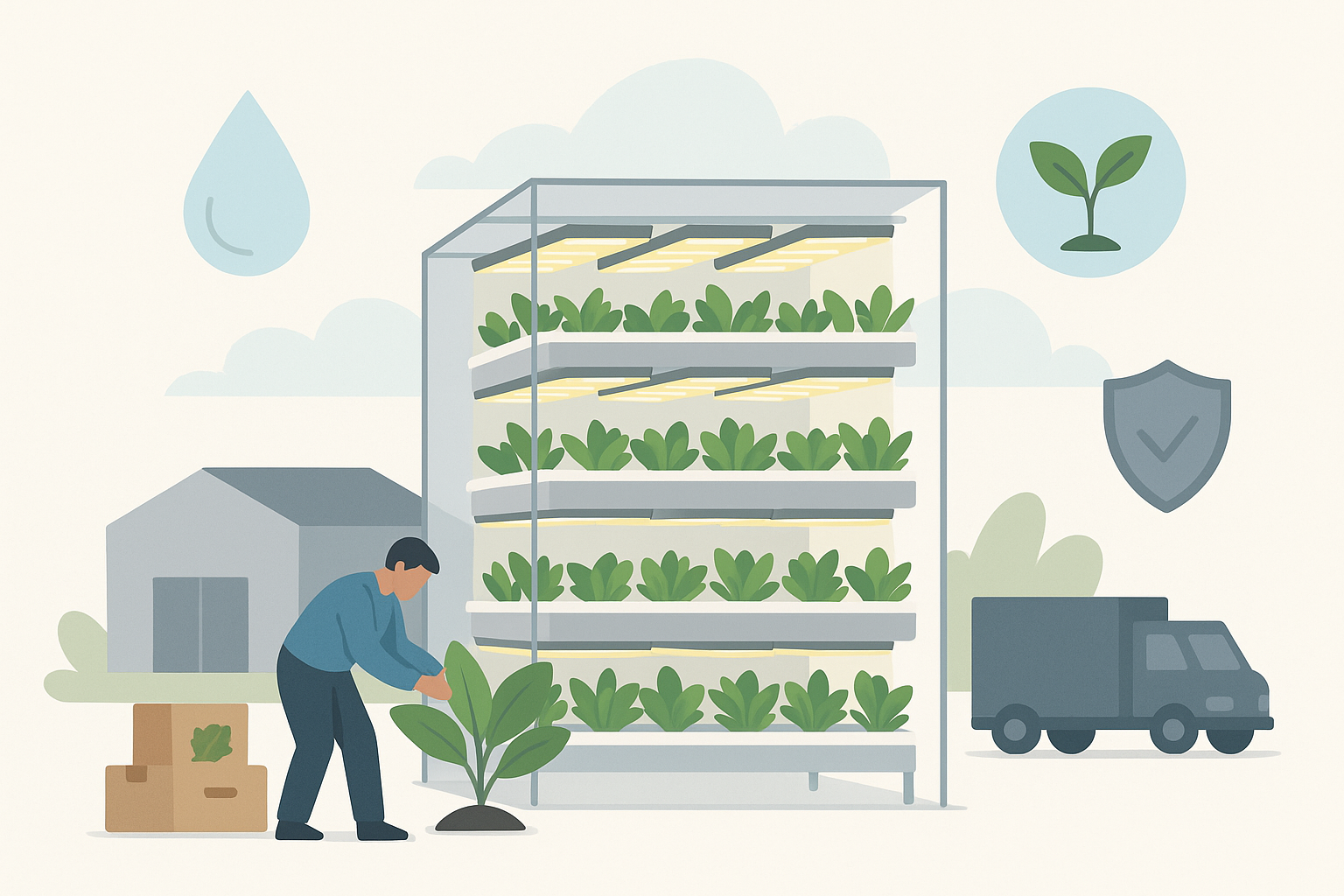
CEA also allows for space-saving production. Vertical farms, in particular, enable cultivation in stacked layers, allowing large volumes of crops to be grown in urban or peri-urban environments. This proximity to consumers reduces food miles and post-harvest losses, contributing to improved food system resilience and freshness. Additionally, crops grown in CEA environments are generally not exposed to airborne pathogens or soilborne pests, which reduces the need for pesticides and fungicides.
Nonetheless, these efficiencies must be balanced against significant energy demands. Artificial lighting systems, environmental controls, and climate regulation (particularly cooling and dehumidification) can lead to high energy use. While renewable energy sources may alleviate some of this burden, the carbon footprint of CEA remains a critical consideration, especially when scaled to commercial levels.
Environmental Impact and Sustainability Considerations
The environmental benefits of CEA are context-specific. In regions where water scarcity or extreme climates limit traditional farming, CEA can provide a reliable alternative. In urban areas, it can repurpose disused infrastructure, revitalise communities, and create new employment opportunities. Moreover, the elimination of pesticide runoff and soil degradation has positive implications for environmental stewardship.
However, sustainability is not assured. The materials required to construct and maintain controlled environments, such as high-performance insulation, lighting arrays, and automation systems, carry embedded carbon and resource extraction costs. The reliance on electricity, often from fossil-fuel sources, can offset gains in water efficiency and land use. Furthermore, while some crops are well suited to CEA (leafy greens, herbs, microgreens), staple calorie crops such as wheat, rice and maize remain unviable at scale under current technology and economic conditions. This raises important questions about the role of CEA in broader food security strategies.
Economic Viability and Accessibility
From an economic standpoint, the benefits of CEA are often tempered by high initial capital expenditure and ongoing operational costs. Establishing a vertical farm involves significant investment in infrastructure, systems integration, and skilled labour. Operational expenses, particularly energy and system maintenance, remain high, and margins can be narrow, especially in competitive retail markets.
Profitability is typically highest for high-value crops with short growth cycles and consistent consumer demand. For instance, salad leaves, herbs and edible flowers have become staple outputs of urban vertical farms because they offer quick turnaround and premium pricing. However, such a focus limits the diversity of crops and does not necessarily contribute to complete dietary needs.
Moreover, access to CEA technologies and markets is not evenly distributed. While interest and investment in the sector are growing, barriers remain for small-scale growers, rural communities and developing economies. Financing, technical knowledge, regulatory frameworks and supply chain integration all influence the feasibility of establishing successful CEA ventures. Addressing these gaps is vital if CEA is to become a genuinely inclusive component of global food systems.
Technological Innovation and Knowledge Requirements
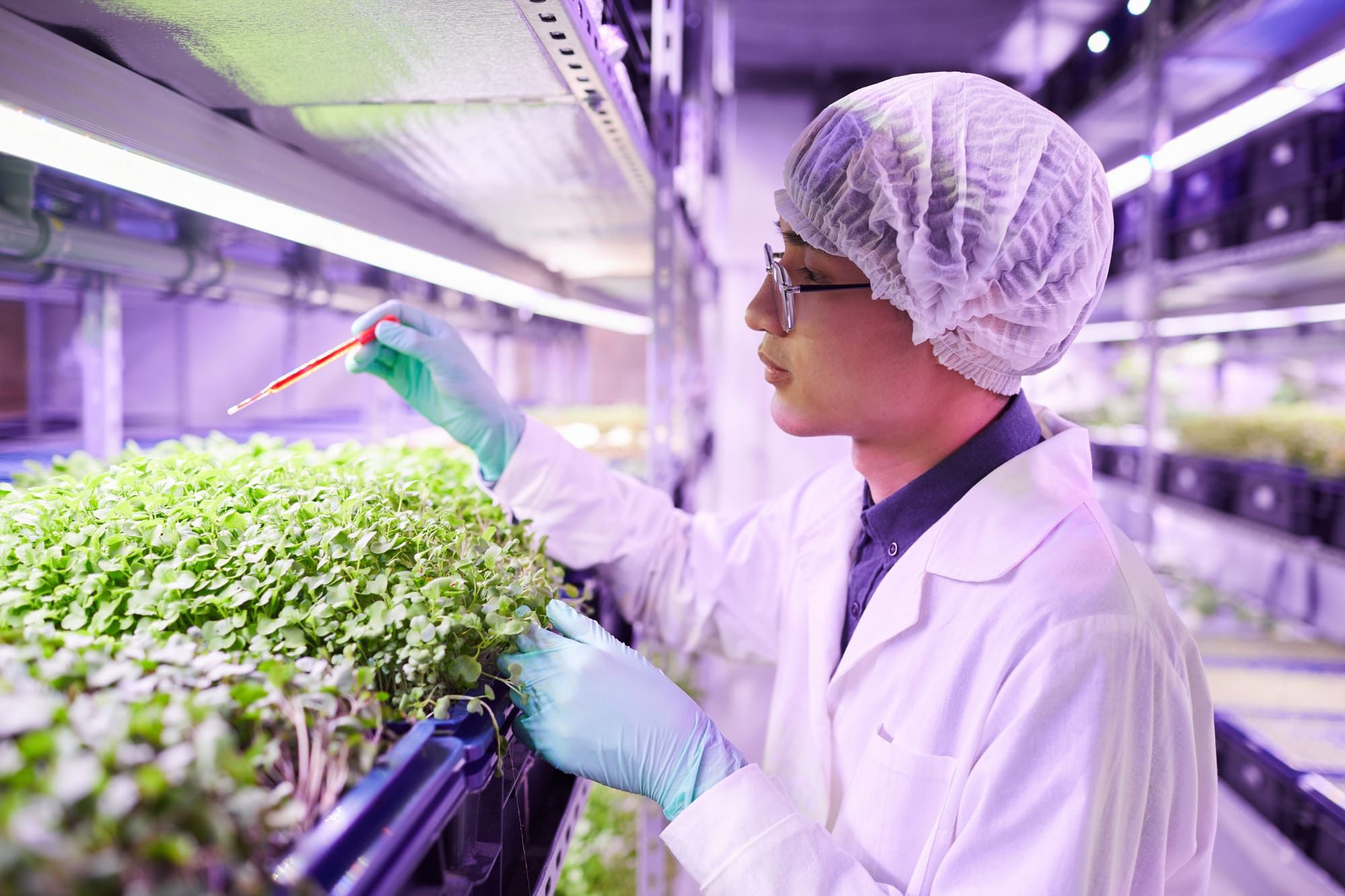
CEA is inherently technology-driven. Sensors, control systems, robotics, artificial intelligence and data analytics play central roles in monitoring and managing growing conditions. These tools enhance precision and consistency, enabling growers to respond quickly to changing plant needs or environmental shifts. Automated systems can also reduce labour costs and improve food safety by minimising human contact with crops.
However, the complexity of these systems requires specific technical expertise. The convergence of horticulture, engineering, computer science and environmental science presents a steep learning curve for new entrants. A lack of standardisation across systems and technologies further complicates scaling and interoperability. As a result, training and knowledge exchange become central to sector growth. Public-private partnerships, research institutions and vocational education providers have key roles to play in closing the knowledge gap and professionalising the CEA workforce.
Policy, Regulation and the Broader Food System
Policy frameworks are beginning to acknowledge the potential of CEA, particularly in relation to urban food strategies, environmental policy, and agri-tech innovation. Government support may include grants, tax incentives, or land-use planning reforms that facilitate the development of vertical farming infrastructure. However, regulatory clarity is still lacking in many regions, especially concerning food safety, energy use, environmental impact assessments and labour standards.
CEA does not exist in isolation from the wider agricultural economy. It competes with and complements traditional farming, and its expansion could shift dynamics in land use, food distribution, and rural development. Policymakers and researchers must carefully assess these interactions to ensure that CEA contributes positively to long-term food security and environmental resilience, rather than reinforcing existing inequalities or creating new dependencies on technology providers and energy infrastructure.
Looking Ahead: Balancing Promise and Practicality
The future of CEA will depend on its ability to evolve in response to environmental pressures, technological advances, and economic realities. Ongoing research into energy-efficient lighting, AI-driven automation, biological pest control, and crop genetics may reduce costs and improve performance. Integration with renewable energy sources, circular resource systems, and urban infrastructure could enhance sustainability. At the same time, broader collaboration across disciplines and sectors is needed to ensure that CEA delivers on its promise without exacerbating existing challenges.
Final Considerations
CEA offers a compelling vision of food production unbound by season or soil, yet this vision must be tempered by realism. Its strengths (precision, protection, productivity) counterbalanced by tangible challenges in energy use, cost, and complexity. By understanding these dynamics, we can better identify where and how CEA can play its most constructive role.
As the global population grows and climates shift, the pressure to develop sustainable food systems will only intensify. The real test for CEA will be not simply how much it can produce, but whether it can do so in ways that are economically viable, environmentally responsible, and socially equitable. How will this field evolve as new technologies emerge and ecological limits tighten? That question defines the frontier of modern agriculture.